When Your Website Starts Feeling Outdated, It’s Time to Rethink the Experience
A website can look perfectly fine at first glance and still be holding a business back. Maybe the pages load slowly. Maybe the design feels like it belongs to another decade. Or…
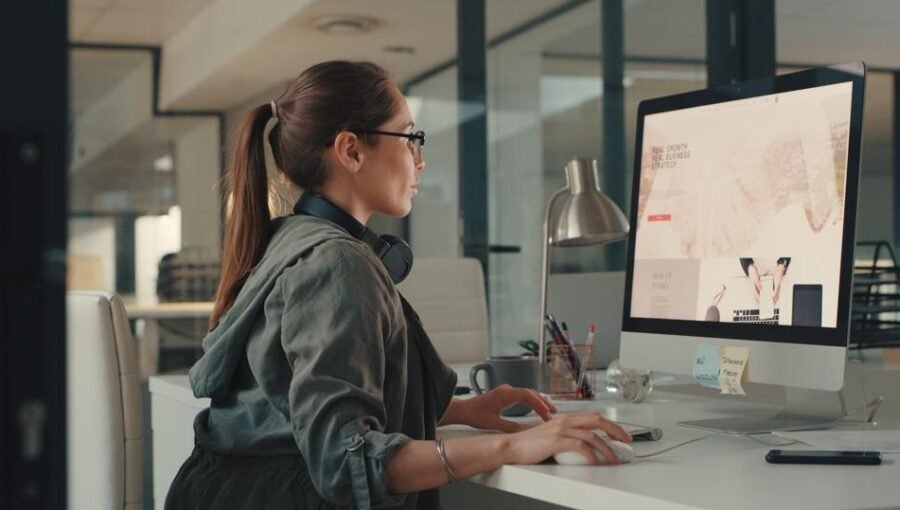
A website can look perfectly fine at first glance and still be holding a business back. Maybe the pages load slowly. Maybe the design feels like it belongs to another decade. Or perhaps visitors simply can’t find what they need without clicking around in circles.
The strange thing about websites is that businesses often get used to their own problems. You see the same homepage every morning, so that awkward menu or outdated layout doesn’t bother you anymore. New visitors, however, don’t have that familiarity. They make a quick judgment, often within seconds.
A modern website doesn’t need to be flashy. It needs to be useful, trustworthy, fast, and easy to navigate.
A Website Should Work for Real People
The best websites aren’t designed around what a business wants to say. They’re designed around what visitors want to know.
Related: Why the Right Digital Experience Starts With Better Development and Design · Startup Funding Stages Explained: Seed to Series C
Customers usually arrive with a question. How much does it cost? What does this company offer? Can I trust them? How do I contact them? Can I buy this online?
If those answers are difficult to find, people get frustrated. And frustrated visitors don’t tend to hang around.
Before changing colors, fonts, or images, take a step back and look at the customer journey. Is the information organized logically? Are important buttons easy to spot? Does the website explain the company’s value without making visitors read a wall of text?
Sometimes, the simplest improvements make the biggest difference.
Related: A Better Online Experience Starts With Making Things Easier for Customers · How to Start a Business with No Money in 2026
Why Strong WordPress Development Still Matters
WordPress powers a huge number of websites because it’s flexible, familiar, and capable of growing with a business. But installing a theme and adding a few plugins isn’t the same thing as building a reliable website.
Quality WordPress Development involves thinking about performance, security, functionality, content management, and future maintenance.
For example, a business might need a custom booking system, advanced product filtering, membership functionality, or integration with another platform. These requirements deserve thoughtful development rather than a pile of unrelated plugins.
Too many plugins can also create problems. They may conflict with one another, slow down the site, or introduce security risks if they’re poorly maintained.
Related: Low Investment Business Ideas for Beginners in 2026
A good WordPress setup should feel simple to the person managing it, while doing plenty of complicated work quietly behind the scenes.
When a Website Redesign Becomes Necessary
Not every old website needs to be thrown away. Sometimes a few targeted improvements are enough. But there are situations where a Website Redesign makes much more sense.
If the site isn’t mobile-friendly, has confusing navigation, uses outdated technology, or no longer represents the business accurately, patching individual problems can become a never-ending exercise.
A redesign gives businesses an opportunity to rethink the entire experience.
It’s also a chance to remove things that no longer matter. Old pages, duplicate content, unused features, and confusing sections can be cleaned up instead of being carried into another version of the same website.
The goal shouldn’t be to make the website look “new.” It should make the website work better.
Don’t Forget Mobile Visitors
A website that looks excellent on a large monitor can be surprisingly awkward on a smartphone.
Menus become cramped. Images take too long to load. Forms are annoying to complete. Buttons sit too close together. These little frustrations add up quickly.
Responsive design should therefore be treated as a basic requirement, not a bonus feature.
It’s worth testing important pages on several screen sizes and actually using the site with your thumb. That last part sounds obvious, but it’s often skipped. What feels easy with a mouse can feel completely different on a phone.
Speed Is Part of the User Experience
Nobody wakes up thinking, “I hope this website takes fifteen seconds to load today.”
People simply expect websites to respond quickly.
Large images, excessive scripts, poor hosting, unoptimized databases, and badly configured plugins can all contribute to slow performance. Compressing images, reducing unnecessary code, improving caching, and choosing suitable hosting can help.
Speed isn’t just about search rankings, either. It affects how people feel about a business.
A slow site can make a company seem less professional, even when the company itself is excellent.
Content Should Answer Questions Clearly
Design might attract attention, but content is what helps visitors make decisions.
Good website content doesn’t need to sound like a corporate brochure. In fact, overly polished language can sometimes make a company feel distant.
Explain what you do in plain English. Tell customers who your service is for. Address common concerns. Include useful details about pricing, process, timelines, or support where appropriate.
And don’t forget headings. People often scan websites before reading them properly. Clear subheadings, short paragraphs, lists, and descriptive calls to action make information much easier to digest.
Security Can’t Be an Afterthought
Website security is one of those things people don’t think about until something goes wrong.
Regular software updates, secure passwords, reliable backups, SSL protection, limited administrative access, and trusted plugins are basic parts of responsible website management.
For businesses collecting customer information, stronger security practices are even more important.
A website should also have a maintenance plan. Technology changes constantly, and an untouched website can gradually become vulnerable or unreliable.
Build Something That Can Grow
One of the biggest mistakes in website projects is thinking only about today’s needs.
Maybe the business currently has ten services. What happens when there are twenty? What if online bookings become important? What if the company expands into another location?
A flexible website structure makes those changes easier.
This is where thoughtful planning pays off. Good information architecture, scalable functionality, clean development, and a sensible content structure can save considerable time and money later.
The Best Website Is the One People Don’t Have to Fight With
A successful website doesn’t necessarily announce itself with animations, complicated layouts, or endless features. Often, it’s the opposite.
It loads quickly. It looks good on a phone. The navigation makes sense. The content answers questions. Forms work. Pages are easy to understand. Visitors know what to do next.
That’s what makes a website useful.
Whether you’re improving an existing WordPress site or considering a complete redesign, the real objective should always be the same: create an online experience that respects people’s time and makes them feel confident about taking the next step.
Because at the end of the day, a website isn’t really about technology. It’s about people — and making their journey a little easier.