Indian Stock Market Platform with Live Trading and Market Insights
The Indian stock market can move fast each day. Stock prices react to news, trade flow, firm updates, and world events. A Stock Market App can bring these inputs into one place.…
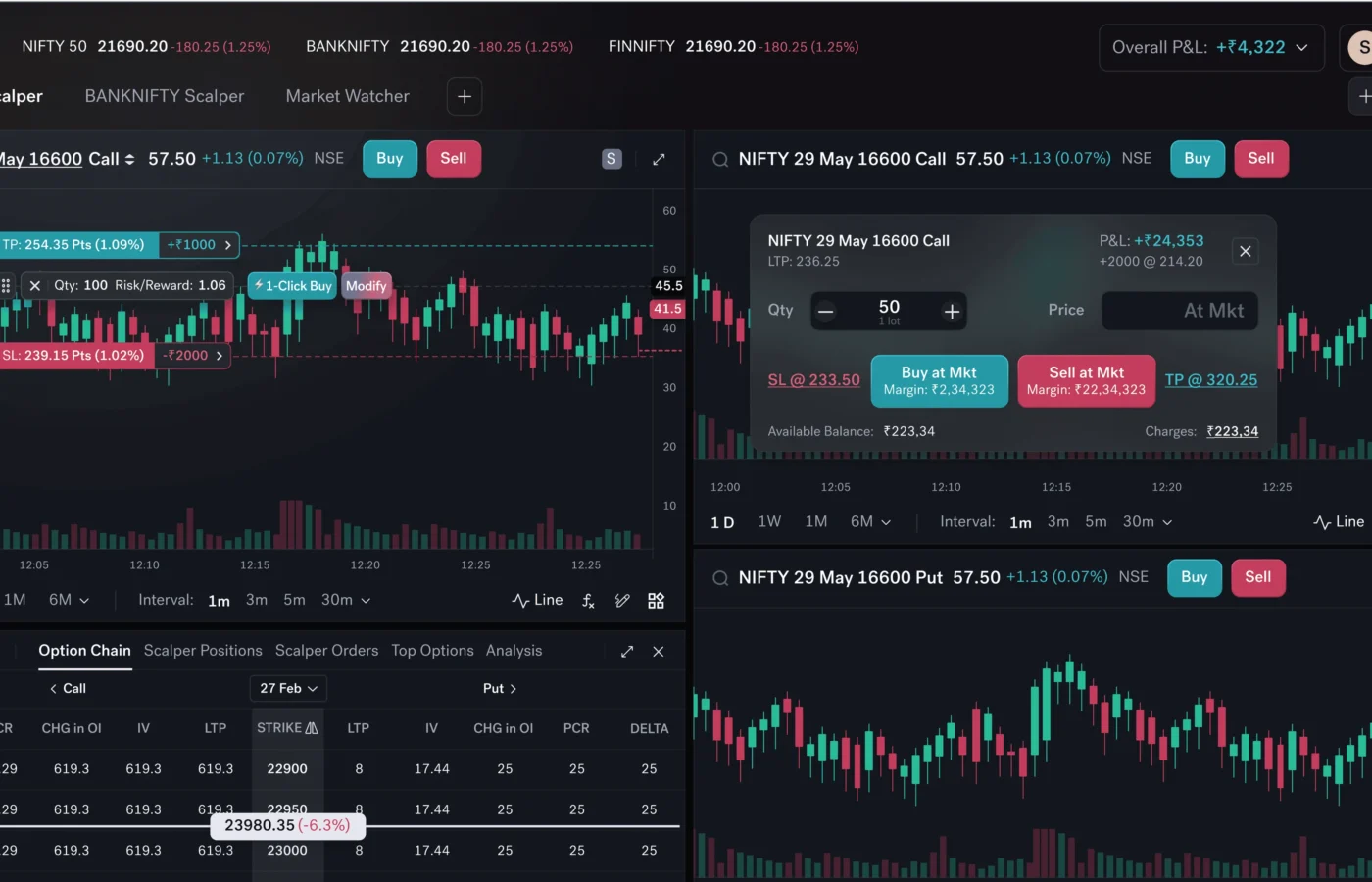
The Indian stock market can move fast each day. Stock prices react to news, trade flow, firm updates, and world events. A Stock Market App can bring these inputs into one place. It can help people track shares, place trades, and check market data.
A Trading App can also show charts, alerts, news, and trade records. These tools can help people stay aware of market moves. They do not remove risk. Each trade still needs care and study.
What Is a Stock Market App?
A Stock Market App is a tool for stock market access. It is often linked to a trading account. It may also link to a demat account.
Related: Bookkeeping vs Accounting: What’s the Difference? · Business Continuity Plan: Why Every Company Needs One
Through the app, a person can view shares and live prices. They can add stocks to a list. They can place buy or sell orders. They can also check past trades and current holdings.
Some apps show charts, news, company data, and price alerts. This can make daily market tracking simple.
SEBI asks people to use registered market firms. It also asks them to know the risks. Account records should be checked on time. Login data should be kept safe.
How Live Trading Works
Related: How to Start a Business with No Money in 2026 · Why the Right Digital Experience Starts With Better Development and Design
Live trading starts when a person picks a stock. The next step is to choose an order type. The Trading App sends the order to the broker. The broker sends it to the stock exchange.
A market order seeks the price then on offer. A limit order lets a person set a price. The trade may fill only when set terms are met.
Once filled, the trade shows in the trade book. The contract note should also be checked. It gives key facts on the trade and fees.
How to Read Live Market Data
Related: A Better Online Experience Starts With Making Things Easier for Customers
Live data shows what is taking place in the market. A Stock Market App may show open, high, low, and last price. It may also show trade volume and price change.
NSE gives live equity market data on its site. It shows price, volume, gains, falls, and other trade data.
Live data can show the pace of a stock move. It cannot tell the full story by itself. Firm results, rates, sector news, and world events can also affect price.
How to Use Market Insights
Market insights can help with stock study. They may include news, charts, firm data, screen tools, and market notes.
A simple process can help:
- Make a list of stocks or key indices.
- Check live price and trade volume.
- Read firm news and fresh reports.
- Check the chart and key price zones.
- Pick the right order type for the plan.
- Review the price and share count.
- Check the trade after it is filled.
- Review the reason for the trade later.
This process keeps the focus on facts and a set plan.
What to Check in a Trading App
First, check if the broker is registered with SEBI. Then read the fee list. Check the type of orders the app can place. Review login safety and help desk steps.
The app should show clear trade and account records. It should also give access to alerts and key account data.
In March 2026, SEBI launched a verified label for stock trading apps of registered brokers on Google Play Store. The label was made to help people spot approved broker apps.
People should still check broker facts on official sites. Passwords and OTPs should never be shared.
Using Alerts and Stock Lists
Price alerts can help track a set price level. News alerts can flag firm or market events. This can cut the need to watch the screen all day.
Stock lists can sort shares by sector or theme. A person may keep one list for banks. Another may cover tech or energy firms. This makes review easy and clear.
Alerts and lists are tracking tools. They do not make a trade safe.
Role of a Stock Market App
A Stock Market App can join trade tools, stock data, charts, and account views. This can make one app a main point for daily market use.
A long-term holder may use it to check firms and holdings. An active trader may use live prices and order tools. Both still need a clear risk plan.
The app should support the process, not replace it. The final choice to trade needs thought and care.
Conclusion
A Stock Market App can give access to live trade tools, stock data, alerts, and account records. A Trading App can also help people track stocks and place orders in one place.
Before any trade, check the broker, fees, order type, and risk. Keep login data safe. Use live data with firm facts and market news. A clear process can help keep stock market use focused and planned.